Measure a room, plan repainting, compare tradesperson quotes and describe a repair clearly. Leave electrical, gas, structural and hazardous work to qualified professionals.
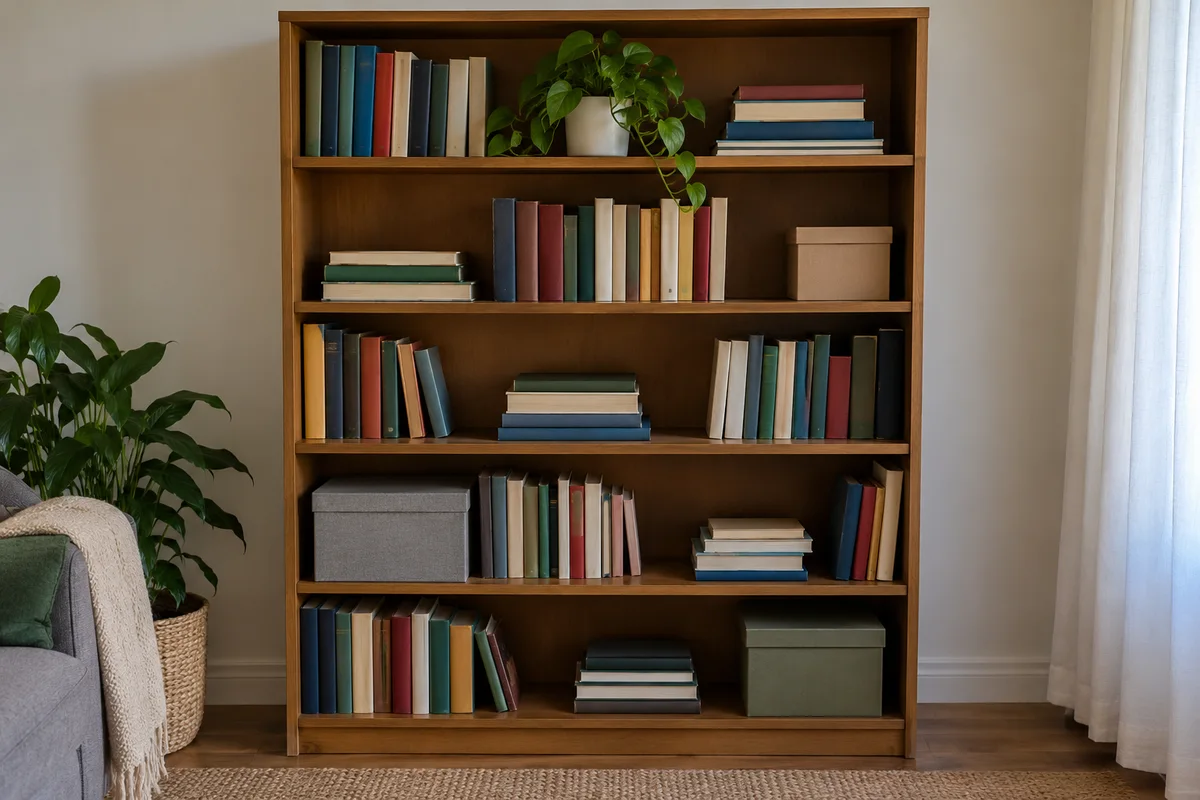
Organise my bookcase so I can find the books I actually use
Choose a practical shelf system and rearrange one shelf before tackling the whole bookcase.
AI-generated example input. Supply book topics and how you use them; unreadable spines are not a reliable catalogue. How to use your own photo →
Use my bookcase photo to help me find books more easily. First describe visible shelves and objects; mark unreadable book titles as unknown. Ask who uses the books, which topics I own, which I reach for most, what must stay and whether I prefer topic, author or colour order. I will provide a list or clearer spine photos if needed. Compare two systems for my actual habits, not just a stylish display. After I choose, give shelf-by-shelf zones using my confirmed inventory, a place for books in progress and a 20-minute first-shelf plan. Do not invent titles or tell me to discard books without asking. Do not infer load capacity, recommend climbing or moving a loaded bookcase, or assess anchoring from a photo. Flag anything needing an in-person safety check.
Make it yours: Colour order can look good but hide related subjects. Tell the assistant whether quick retrieval, shared use or appearance matters most.
A useful follow-up
I tried topic order, but two people use the same reference books. Keep those together within our comfortable reach and revise only their shelf. Give us a simple return rule.
02
Image generation
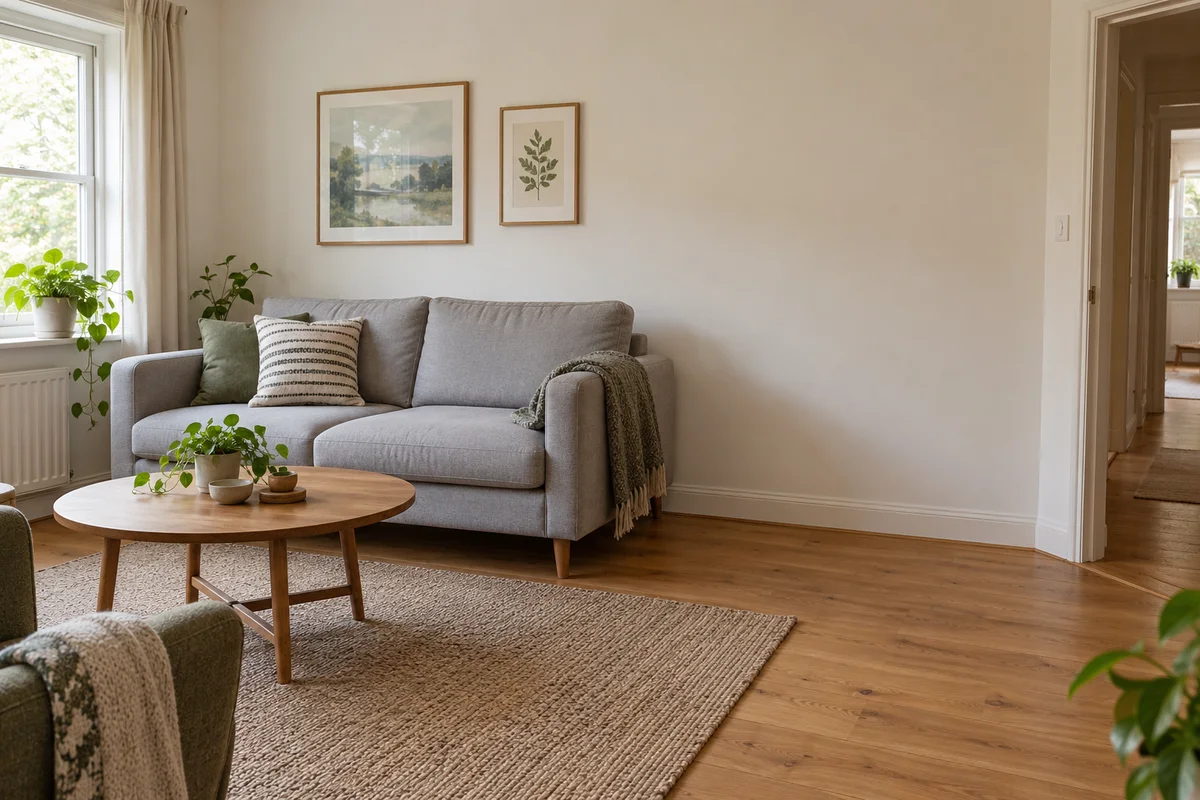
Preview a new storage cabinet in my living-room photo
Make a focused furniture concept, then check measurements before choosing a real cabinet.
AI-generated example input: the living room before a cabinet edit. Measurements must come from you. How to use your own photo →
I want to preview a storage cabinet in this room. First ask what it must hold, my preferred style, budget, measured available width and depth, doorway clearances and the candidate cabinet dimensions. Do not estimate these from the photo. Before editing, tell me if your current tool can edit an image; if not, write a brief for an image editor instead of claiming you made one. With an image-editing tool, add only [cabinet description or supplied product reference] at [location]. Preserve the sofa, other furniture, walls, doorway, window, lighting and camera angle. Keep the passage visibly clear. Do not add accessories. Label it a concept, not an exact product rendering or proof of fit. List what may have drifted and what I must measure and check in person before buying.
Fill in your details before copying
Make it yours: Use ChatGPT or Gemini with an image-editing tool if available. An image-reading chat, including Claude, can help prepare or review the brief without necessarily creating the edit.
A useful follow-up
The cabinet idea is good, but the edit changed my sofa and added decorations. Restore those details from the original. Change only the cabinet finish to [finish]; keep its placement and all other details fixed.
03
Image generation
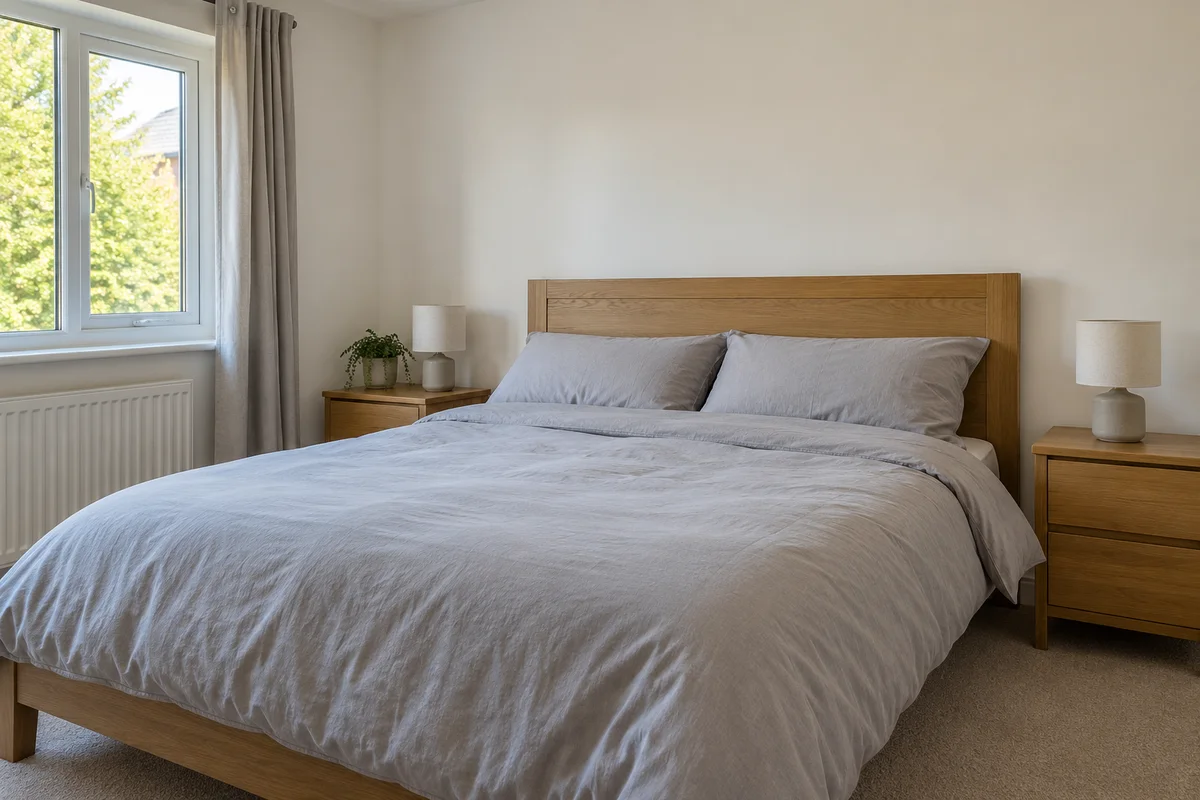
Choose a bedroom wall colour and duvet cover that work with my furniture
Compare a few colour directions, then preview one pairing without redesigning the entire room.
Use my bedroom photo to help choose a wall colour and duvet cover. Ask which furniture and curtains must stay, the mood I want, daylight direction and evening lighting, colours I dislike and budget. Suggest three specific wall-and-bedding pairings with reasons tied to the visible room; do not invent product availability or exact paint matches. Let me choose before making an image. If your current tool supports editing, change only [chosen wall] and the duvet cover and pillowcases to the selected colours. Preserve furniture, bed shape, window, curtains, floor, light and camera angle. Otherwise provide an editing brief. Label the preview a colour concept and ask me to compare real paint and fabric samples in daylight and evening light. Do not claim screen colours accurately predict a finished room.
Fill in your details before copying
Make it yours: Change two things, not everything. Keep the original beside the preview so you notice invented furniture or altered lighting.
A useful follow-up
I choose sage and cream, but the room feels darker in the evening. Suggest one lighter wall alternative with the same bedding; keep the furniture and camera angle fixed so I can compare the single change.
04
Images
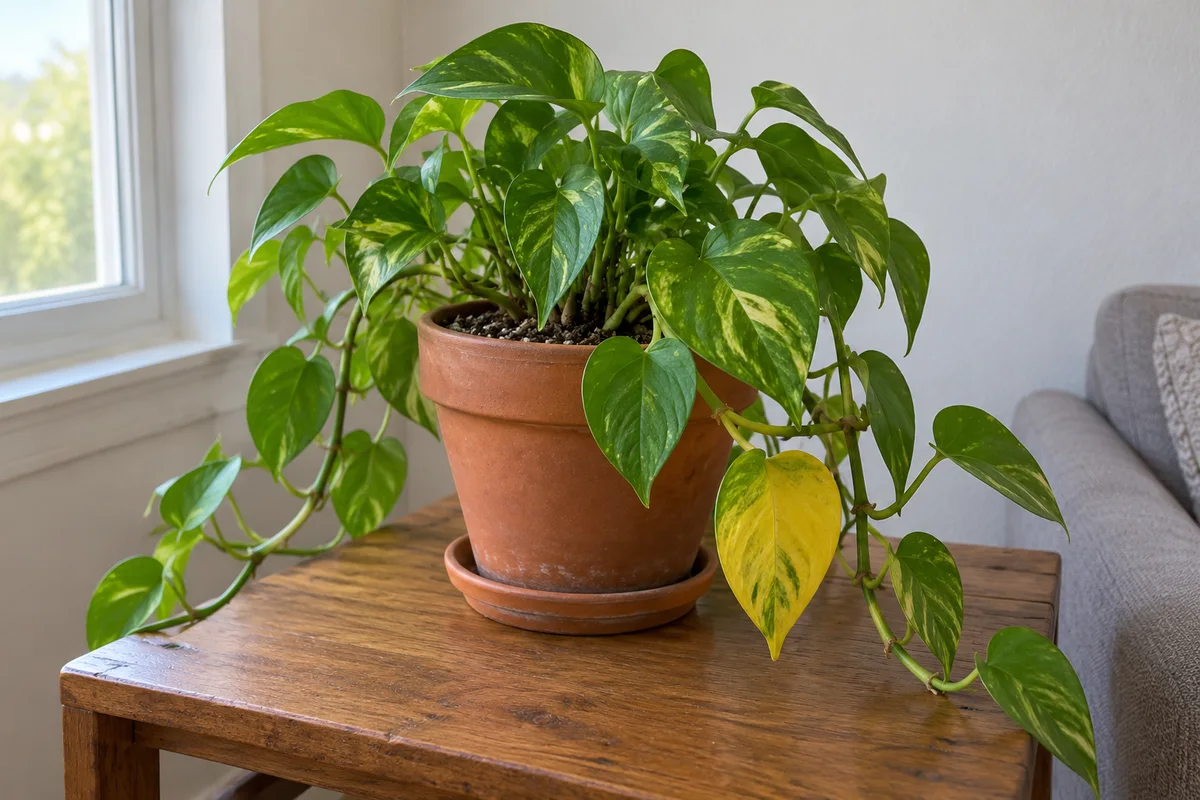
What should I check before changing care for this yellowing houseplant?
Make a useful care-history checklist instead of treating a guessed diagnosis as a watering instruction.
AI-generated example input, not a diagnosed plant. A yellow leaf alone does not establish its cause or the right treatment. How to use your own photo →
Look at my houseplant photo and help me work out what information to collect about its yellowing leaves. Describe only visible changes; mark species identification and possible causes as uncertain. Ask up to five questions about the plant label if available, when the change started, which leaves are affected, watering and soil-moisture observations, drainage, light and recent moves or feeding. Do not diagnose a disease, assume the soil is dry from its colour or tell me to add water, fertiliser or pesticides from the photo alone. After my answers, separate observations from possible explanations and say what would help distinguish them. Point me to species-specific RHS or university horticultural guidance when web search is available; otherwise tell me what guidance to look up, without inventing links. Make a dated observation log and questions I can take to a garden centre if the problem continues.
Make it yours: Add a whole-plant photo and a clear close-up of the affected area. Record actual care history; avoid guessing a species-specific watering schedule.
A useful follow-up
I found the plant label and have a week of observations: [label and notes]. Update the possible explanations without turning them into a certain diagnosis. Which missing observation would most change the next step?
05
Images
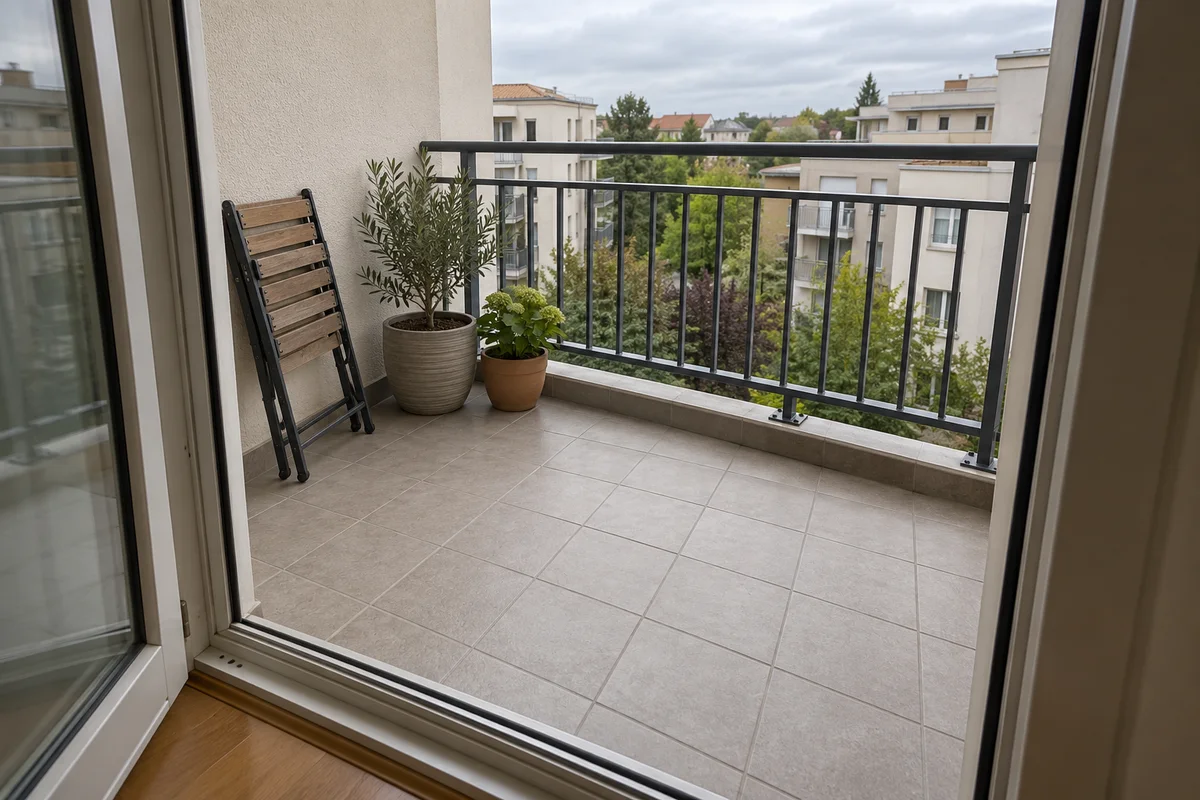
Fit a small table and chair on my balcony without blocking the door
Use a balcony photo and your measurements to compare two removable furniture layouts.
AI-generated example input. A photo shows a layout, not accurate measurements or a structural safety assessment. How to use your own photo →
Use my attached balcony photo to help plan a place for [people] to sit. First describe the visible doorway, furniture and obstacles, and mark anything unclear. Ask for the measured floor width and depth, door swing, furniture dimensions, access needs and budget; do not infer exact distances from the photo. Once I confirm them, compare two layouts using removable furniture and keeping the doorway, drainage and access routes clear. Explain which items fit based on my numbers and what I must check in person before buying. Do not recommend changes to railings, structural work, heavy planters or electrical installations, or claim the balcony is structurally safe from a photo.
Fill in your details before copying
Make it yours: Remove identifiable neighbouring addresses and people from photos. Add a measured sketch; perspective can hide a clearance problem.
A useful follow-up
The door opens outwards and the chair is 55 cm deep when in use. Recheck both layouts against my measurements and discard any that block the door. Do not invent a minimum safety clearance.
06
Text
Check a furniture delivery route before discovering the sofa will not fit
A delivery-route worksheet with unresolved clearance questions.
We are considering [furniture]. Here are packaged and unpackaged dimensions [supplier facts], measured doors/stairs/lift/turns [measurements], delivery conditions [text] and photos if available [images]. Make a measurement checklist and flag obvious dimensional conflicts. Do not certify clearance from a photo, ignore turning space or invent disassembly options. Separate things I can measure from questions for the delivery team, including who confirms feasibility. Return a route worksheet and ask about the narrowest turn before suggesting an order. Do not book or buy anything.
Fill in your details before copying
Make it yours: Get the supplier's packaged dimensions and actual delivery conditions.
A useful follow-up
The supplier confirms removable legs [details]. Update only the dimensions that genuinely change.
07
Text
Make a sowing reminder calendar from the instructions on my seed packets
A packet-based reminder calendar with local unknowns visible.
Here are my seed-packet instructions [transcribed labels], confirmed local growing guidance [source excerpts], available pots/space [details] and dates I am away [dates]. Turn explicit sowing windows and stated dependencies into a reminder calendar, marking indoor/outdoor instructions separately. Do not invent frost dates, identify an unknown seed or guarantee germination. Where a packet assumes conditions we have not checked, create a question for a local horticultural adviser instead of a planting instruction. Ask which conditions remain unmeasured before fixing a sowing date.
Fill in your details before copying
Make it yours: Use readable packet details and authoritative local guidance, not an inferred climate from your country name.
A useful follow-up
The adviser confirms this local window [answer]. Update only the affected reminders.
08
Text
Organise leftover paint tins without guessing what an unreadable label contains
A paint inventory with unknown contents and official-guidance gaps.
Here is my inventory of paint tins [readable label text, dates and room-use notes], photos if helpful [images], storage guidance from the manufacturers [text] and local disposal information [official excerpts]. Make a record linking confirmed products to rooms and mark unreadable or unknown contents separately. Do not identify chemicals by colour, suggest mixing leftovers or invent safe storage/disposal rules. List what I should ask the manufacturer or local collection service. Ask which tin's identity is needed for a planned touch-up before recommending any purchase.
Fill in your details before copying
Make it yours: Do not open or mix unidentified products just to help the inventory.
A useful follow-up
I find the original receipt for this tin [details]. Update its confirmed identity without guessing the other tins.
09
Text
Find the warranty and service records for a household item before calling for help
A household-item document pack and factual supplier enquiry.
I need to contact the supplier about [household item]. Here are redacted receipts, warranty wording, service history and model information [records]. Make a document index separating purchase date, covered item, stated conditions and facts still needing confirmation. Do not decide legal rights, diagnose a fault or claim a warranty applies just because a receipt exists. Draft a factual enquiry listing observed symptoms without repair instructions. Ask which serial or purchase reference the supplier actually requests before including private identifiers; do not contact them.
Fill in your details before copying
Make it yours: Retain original documents privately and obtain qualified advice if rights or obligations are disputed.
A useful follow-up
The receipt covers several items. Link only the confirmed product line and leave the uncertain warranty match as a question.
10
Text
Keep a clear record of repair appointments and agreed work at home
A repair-visit timeline and factual next-step enquiry.
We are arranging a repair for [item or room]. Here are supplier messages, confirmed visits, approved work and factual observations [redacted records]. Make a timeline distinguishing scheduled, attended, cancelled and not-yet-confirmed visits, plus work actually reported as done. Do not diagnose the defect, invent access permission or infer legal liability. Draft a concise factual status enquiry and list missing confirmations. Ask which appointment entry is only a proposal before putting it in the household diary; do not contact anyone or authorise work.
Fill in your details before copying
Make it yours: Keep addresses, access codes and account details out of shared summaries.
A useful follow-up
The contractor reports work completed but the invoice gives no detail. Draft a request for the actual work record without accusing anyone.
11
Text
Set up guest towels so clean and used ones do not end up in the same pile
A guest-towel storage and collection plan grounded in the household's routine.
We are hosting [number of guests] with these towels, storage spaces and laundry capacity [inventory]. Here is our existing agreed cleaning routine and readable care-label guidance [text]. Make a simple labelled placement-and-collection plan using available baskets, with a laundry checklist following those instructions. Do not invent disinfection claims, prescribe chemical mixtures or assume a towel is clean from appearance. Keep responsibilities subject to household agreement. Ask which storage spot can clearly separate unused towels from those awaiting laundry before arranging the room.
Fill in your details before copying
Make it yours: Follow actual care labels and authoritative guidance for any special hygiene requirements.
A useful follow-up
The only basket is needed for used towels. Suggest a distinct existing shelf for clean ones without recommending a purchase.
12
Text
Organise appliance manuals by exact model so I stop using instructions for the wrong version
An exact-model manual register with uncertain matches visible.
Here are my appliance labels transcribed accurately [model references], manuals I already have [titles and version details] and manufacturer replies [text]. Build a register linking confirmed models to matching documents and marking uncertain matches. Do not invent manuals, assume a similar name means the same appliance or give repair instructions. Make a manufacturer-enquiry list for gaps and keep serial/account details out of public copies. Ask which model suffix is unreadable before calling a manual verified.
Fill in your details before copying
Make it yours: Use the manufacturer's official documentation for the precise model and seek qualified repair help.
A useful follow-up
One manual covers a different model suffix. Remove the verified match and draft a specific manufacturer question.
13
Text
Prepare a measured curtain brief before ordering a size that does not fit
A retailer-grounded curtain measurement brief and missing-measurement checklist.
I want curtains for [room]. Here are measurements I personally took, photos I may share, existing fittings and the chosen retailer's actual measurement instructions [material]. Make a measurement checklist following those instructions and distinguish my measurements from product dimensions. Do not infer dimensions from photos, prescribe drilling or guarantee fit. Flag missing or contradictory measurements for a fitter/retailer to confirm. Ask which measurement method the retailer specifies before comparing sizes; do not order or install anything.
Fill in your details before copying
Make it yours: Confirm measurements and fitting suitability with the responsible professional before buying or installing.
A useful follow-up
The retailer uses track width rather than window width. Update the comparison and leave the missing track measurement unresolved.
14
Images
Make a useful gardening advice request from photos without asking AI to identify an unknown plant as certain
A source-labelled gardening enquiry with uncertain identification preserved.
Here are photographs of my plant and its location [images], the original label if available [text], dated observations, care I actually gave and local conditions I measured [notes]. Prepare a concise question for a qualified local gardening adviser, separating visible features from uncertain identity and possible explanations. Do not diagnose disease, recommend chemicals or infer edibility. List the extra observations the adviser may need. Ask whether I still have the original plant label before using a name.
Fill in your details before copying
Make it yours: Avoid handling or consuming an unidentified plant based on an AI guess.
A useful follow-up
The label belongs to a neighbouring pot. Remove that identity claim and keep the photographs and observations separately labelled.
15
Images
Arrange a cupboard so the things I use daily are reachable without hiding the rarely used items forever
Two measured cupboard layouts with a findable item inventory.
Here are my cupboard measurements, shelf positions, item dimensions and actual use frequency [records or photos], plus constraints from the supplied furniture instructions [text]. Propose two storage layouts with a labelled inventory and easy access for daily items. Do not recommend unapproved shelf loads, block required access or assume a photograph gives exact dimensions. Keep bulky or uncertain-fit items unresolved. Ask which item I need to retrieve most often before assigning shelves.
Fill in your details before copying
Make it yours: Measure usable space and follow the furniture's actual limits before rearranging.
A useful follow-up
The proposed box fits the shelf but cannot pass through the opening. Revise the layout using the measured opening width.
16
Files
Make a ten-minute shared-bathroom cleaning checklist using products we already have
Agree a manageable routine that respects surface instructions and product labels.
Create a ten-minute routine for our shared bathroom from [surfaces and manufacturer care instructions], [cleaning product labels] and [number of users]. Ask which tasks are genuinely needed daily and which can rotate through the week. Give a priority checklist, a fair rota and a place to mark tasks that need more time. Follow supplied label precautions and required contact times rather than compressing them to fit ten minutes. Do not mix products, invent dilutions or claim the room is disinfected. Exclude unknown substances, extensive mould and hazardous damage from the routine and flag them for appropriate assessment.
Fill in your details before copying
Make it yours: Use readable labels and surface-care instructions; do not ask AI to improvise cleaning chemistry.
A useful follow-up
The shower surface requires a different product from the tiles. Separate those tasks and keep their instructions distinct, even if the full clean takes longer.
17
Files
Arrange my garden pots around the sunlight I actually measured
Match confirmed plant needs to real spaces and identify what you still need to check.
Help me arrange existing garden pots using this simple space plan, pot measurements, sunlight observations at different times and confirmed plant care information [material]. My watering availability, access needs and household pets or children are [details]. Ask which plant identities and drainage details are confirmed. Make a labelled placement plan using only supplied care requirements, keeping routes clear and unknown suitability visible. Do not identify toxicity from a photo, assume a plant is pet-safe or guess structural load limits for raised placements. List unresolved plant-care and safety questions to verify with an authoritative source before moving anything.
Fill in your details before copying
Make it yours: A measured sun log is more useful than 'quite sunny'. Check animal and child safety separately.
A useful follow-up
The afternoon sun only reaches one corner and a pot blocks the path. Revise the plan using the same plants, and show any plant that still has no documented suitable spot.
18
Files
Make a shoe-cleaning plan that follows each pair's care label
Sort shoes by documented care needs instead of applying one cleaning method to everything.
Help organise cleaning for these shoes using readable care labels, confirmed materials and manufacturer instructions [material]. Available products and equipment are [details]. Make a pair-by-pair checklist of permitted steps, drying instructions actually supplied and items whose care requirements remain unknown. Ask before suggesting any treatment not covered by the instructions. Do not assume machine washing is suitable, invent chemical mixtures or claim odour removal proves disinfection. Exclude damaged electrical drying equipment and flag specialist materials or missing care guidance for manufacturer advice. Keep the plan manageable within [available time].
Fill in your details before copying
Make it yours: Photograph the care label as well as the shoe; appearance alone may not identify the material or finish.
A useful follow-up
One pair has no readable label and may be suede. Leave it out of the cleaning session and draft a material-and-care question for the manufacturer instead of guessing.
19
Images
Organise my seed packets before buying duplicates for the garden
Make an inventory from readable packet information and separate it from a planting recommendation.
Use these seed-packet photos to create an inventory with plant name as printed, variety, quantity if stated, packet dates, supplied sowing guidance and notes I provide [details]. Mark blurry text as unreadable and separate an exact duplicate from a different variety. Ask for clearer photos where needed. Group packets for storage and make a 'check before buying' list based on my stated garden plans. Do not infer germination success from a date, identify unknown seeds by appearance or assume printed sowing months fit my location. Keep local suitability, plant toxicity and any planting restrictions as separate questions for authoritative checking.
Fill in your details before copying
Make it yours: Photograph both sides of each packet and number the photos so you can find an entry again.
A useful follow-up
Two packets have the same plant name but different varieties and one date is unreadable. Keep three separate entries and request a clearer date photo rather than calling them duplicates.
20
Text
Leave garden-watering instructions a neighbour can follow without guessing
Turn your established plant-care instructions into a labelled handover with uncovered tasks visible.
Make a garden-watering handover from my labelled pots and beds, established species-specific care instructions, agreed check criteria and neighbour availability [details]. Use a simple location key, the exact supplied instructions and a place to record observations and completed tasks. Ask about unclear quantities, access and drainage before completing the sheet. Do not replace my criteria with a universal daily watering schedule, infer dry soil from a photograph or advise fertiliser or pesticides. Show what the neighbour should ask me about if conditions differ from the instructions. Keep keys and access codes out of the document I upload.
Fill in your details before copying
Make it yours: Show the neighbour each labelled location and the actual care checks before leaving.
A useful follow-up
The neighbour can only visit every other day. Identify care checks that are uncovered and ask me how to arrange cover; do not silently stretch every plant's interval.
21
Files
Compare nursery quotes for my planting plan without swapping in unsuitable plants
Check variety, supplied size, quantity and costs against an already verified planting brief.
Compare these nursery quotes [dated material] against my planting plan and locally verified suitability requirements [details]. Match exact plant names and varieties, supplied pot or plant sizes, quantities, delivery charges and stated substitutions. Keep missing specifications and different-size offers visible rather than treating prices as equivalent. Do not assume a similar common name is the same plant, approve substitutions or claim a plant is non-toxic, non-invasive or suitable for my location. List which identity, suitability and availability questions I need to confirm before ordering. Use only supplied prices and do not buy anything.
Fill in your details before copying
Make it yours: Ask for exact botanical names and supplied sizes; similar-looking quotes may describe different stock.
A useful follow-up
One nursery offers a different cultivar at a lower price. Keep it as an unapproved alternative and list what must be checked against the original plan.
22
Images
Make a garden-tool inventory so I can find the right manual before using anything
Link readable model labels to the right documentation and keep unknown equipment out of the work plan.
Use these tool and readable model-label photos plus manuals I provide [material] to make an inventory. Record item, confirmed manufacturer and model, manual reference, storage location and condition observations I report. Mark unreadable labels and uncertain matches. Group items as documented or needing identification; do not decide they are safe to operate from photos. Do not provide powered-tool repairs, bypass guards, guess battery compatibility or infer servicing intervals. Make a list of manufacturer or qualified-service questions for unclear or damaged equipment before I plan to use it. Keep serial numbers out of any public version.
Fill in your details before copying
Make it yours: A similar model's manual may not apply. Photograph the model label, not only the tool's shape.
A useful follow-up
Two tools look identical but have different model suffixes. Keep separate entries and remove any manual match that does not explicitly cover the suffix.
23
Text
Record what changed in one garden bed so I can ask a useful gardening question
Build a dated observation record without turning a pattern into a diagnosis.
Organise my notes and labelled photos of this garden bed [material] into a dated record. Include confirmed plant labels, weather observations I supplied, watering or other care actually recorded, visible changes and any recent work. Separate observation, my interpretation and missing information. Do not diagnose pests or disease, identify an unknown plant as edible, recommend chemicals or invent weather data. Suggest what additional photos or factual measurements would make a question to a qualified horticultural adviser clearer. Finish with a concise enquiry and the unresolved questions, not a treatment plan.
Fill in your details before copying
Make it yours: Keep photo dates and locations consistent so changes can be compared meaningfully.
A useful follow-up
The affected leaves appear in photos from before I changed the watering. Correct the timeline and remove any statement that the watering change caused them.
24
Text
Divide shared-garden jobs fairly without assigning work nobody agreed to do
Create a reviewable shared-plot rota from agreed tasks, abilities and availability.
Draft a shared-garden work plan from these agreed jobs, estimated durations, plot rules and volunteers' stated availability and limits [details]. Ask which jobs require an experienced person, approved equipment or separate permission. Group ordinary tasks into manageable visits, show ownership and leave unassigned work visible. Do not prescribe pruning, chemical treatment or powered-tool work, infer someone's physical ability or assign a volunteer who has not agreed. Include weather-dependent postponement decisions for the organiser, a completion log and questions for the next group discussion. Do not contact volunteers or publish personal availability.
Fill in your details before copying
Make it yours: Use volunteers' stated preferences and limits, not assumptions about age or experience.
A useful follow-up
The only person approved for one specialist job is unavailable. Mark it postponed and keep other agreed tasks moving rather than giving it to a beginner.
25
Files
Plan laundry around care labels and the drying space I actually have
Make a feasible wash-and-dry plan without treating every item as suitable for the same cycle.
Plan this weekend's laundry from my item list, readable care labels, machine manual, available drying space and needed-by times [material]. Ask about unresolved labels and loads already in progress. Group only items with compatible supplied care instructions, then schedule washing and drying as separate steps. Keep specialist or unclear items out of the plan pending advice. Do not invent temperatures, stain treatments, detergent mixtures or drying times, overload the machine or claim a wash guarantees disinfection. Show what cannot finish by the deadline and which non-essential load can wait.
Fill in your details before copying
Make it yours: A free washing machine does not mean there is room to dry another load. List both constraints.
A useful follow-up
Rain means we can only use one indoor rack. Recalculate the schedule and leave lower-priority loads for later instead of assuming everything can dry together.
26
Files
Turn my fridge manual into a cleaning checklist I can follow
Keep appliance-specific instructions and food-storage questions visible during an ordinary cleaning task.
Use the cleaning section of my exact fridge manual and the supplied labels of cleaning products I already have [material] to make a step-by-step checklist. Ask which compartments I plan to clean and what verified temporary food-storage arrangements I have. Preserve the manufacturer's instructions for removable parts, permitted products and power precautions; quote the relevant section references. Do not invent cleaner dilutions, mix chemicals, propose electrical repairs or decide food is safe from its appearance. Flag missing storage guidance for authoritative checking before starting. List unresolved questions instead of filling them with a generic cleaning method.
Fill in your details before copying
Make it yours: Supply the exact model manual. Removable shelves may have different care instructions from the cabinet.
A useful follow-up
The manual says a shelf is not dishwasher-safe, but my draft checklist includes the dishwasher. Correct that step and recheck the remaining steps against the manual.
27
Images
Label my household chargers so I can find the right one without guessing
Make a readable inventory linked to exact device documentation, leaving uncertain matches unassigned.
Help organise my loose chargers from readable label photos and my device list with exact model manuals [material]. Transcribe visible manufacturer and model references, mark unreadable characters and assign neutral inventory IDs. Match a charger to a device only where supplied manufacturer documentation explicitly establishes compatibility. Do not infer electrical suitability from connector shape, wattage alone or the fact that something plugs in; do not suggest experiments, repairs or adapters. Return labels for confirmed pairs, a separate unresolved-items list and questions for manufacturer support. Keep serial numbers and account details out of shared labels.
Fill in your details before copying
Make it yours: An inventory can still be useful when several chargers remain unidentified; do not force a match.
A useful follow-up
Two chargers look identical but one label is unreadable. Keep that one unassigned and draft a manufacturer-support question using only the details we can verify.
28
Text
Calculate how many bags of growing medium my measured planters need
Estimate purchase quantities from supplied usable volumes without choosing a planting recipe.
Estimate growing-medium quantities for these planters using my measured internal dimensions or confirmed manufacturer capacities [details]. My chosen fill depth, existing reusable quantity and expert-confirmed medium specification are [details]. Ask whether each container is rectangular, cylindrical or an irregular shape; do not force an irregular container into a precise formula. Show volume calculations, unit conversions, assumptions and the number of supplied bag sizes needed, with any spare quantity. Do not infer plant requirements, prescribe mixtures, certify reused material or judge balcony load capacity. Keep uncertain measurements as ranges and list what I must measure or verify before buying.
Fill in your details before copying
Make it yours: External pot dimensions overstate usable volume. Use internal measurements and your actual fill level.
A useful follow-up
One planter has sloping sides and no published capacity. Keep its quantity unresolved or use my measured volume range, and show how that affects the bag-count estimate.
29
Files
Track my garden harvest so I can compare what I actually grew this season
Summarise recorded yields while keeping missing weeks, units and growing areas visible.
Turn these garden harvest notes [dates, crop labels, bed or pot IDs, quantities and units] into a simple seasonal record. Ask which entries are weighed amounts, item counts or rough estimates, and whether any harvests are unrecorded. Summarise each crop using compatible units, show missing periods and preserve original entries beside corrections. Compare beds only if I provide comparable growing area and recording coverage. Do not infer nutritional value, food safety, profitability or a cause for differences from yield alone. Return a tidy log, transparent totals and three observation questions for planning next season, not pesticide or treatment recommendations.
Fill in your details before copying
Make it yours: Keep counts and weights separate unless you have measured a conversion for your own harvest.
A useful follow-up
We recorded tomatoes by weight in July but by bowlful in August. Keep separate subtotals and explain why a precise whole-season kilogram total is not supported.
30
Images
Match my food containers to their lids and clear the unusable pile
Build a checked inventory before buying replacements or deciding what to discard.
Help sort these clean, empty food containers and lids from my labelled photos [material]. First list visible items with neutral IDs and readable manufacturer or size markings; ask for close-ups where unclear. Suggest possible pairs for me to check physically and separate confirmed matches, uncertain matches and unmatched pieces. Do not infer a proper seal, food suitability, microwave or dishwasher safety from appearance or a guessed plastic symbol. Use supplied manufacturer guidance for any care question. Return a keep-together organisation plan and a replacement-question list, not instructions to heat food, repair containers or discard anything without my decision.
Fill in your details before copying
Make it yours: A lid that appears to fit in a photograph still needs a real-world check.
A useful follow-up
Two lids have similar dimensions but different model markings. Keep them separate and ask me to confirm the documented pairing rather than treating either as interchangeable.
31
Text
Make a short after-dinner kitchen reset that fits the time we actually have
Agree a manageable order for clearing, washing and ordinary cleaning without inventing disinfection rules.
Plan a [minutes]-minute kitchen reset after dinner for [available adults] using our actual tasks, sink or dishwasher capacity, surface-care instructions and labelled cleaning products [details]. Ask what must be ready for tomorrow and which food-storage arrangements are already verified. Separate putting food away according to applicable guidance, clearing, washing and surface cleaning; leave unresolved safety questions for checking before starting. Do not mix products, invent concentrations, claim disinfection or recommend leaving perishable food out to fit the schedule. Give a realistic task order, agreed responsibilities and a fallback if time runs out, not a promise the whole kitchen will be spotless.
Fill in your details before copying
Make it yours: Decide what matters tonight; a realistic reset need not include deep cleaning every appliance.
A useful follow-up
Only one person is available and the dishwasher is full. Keep the genuinely time-sensitive tasks visible, reduce optional work and ask about the missing capacity instead of doubling the pace.
32
Images
Make a garden map so I can find which plant belongs to each label
Connect confirmed plant labels to numbered positions without guessing species from a photo.
Help organise my garden using these photos of plant labels, a simple bed sketch and my confirmed planting notes [material]. Ask me to number positions on the sketch and confirm which label belongs to each position. Transcribe readable label text, mark unclear words and build a position-to-label table with the original photo reference. Leave unmatched plants and loose labels separate rather than guessing their identities from appearance or proximity. Return a printable map, a list of missing matches and space for my corrections. Do not infer plant toxicity, edibility, disease or care requirements; this task records what I can actually confirm.
Fill in your details before copying
Make it yours: Photograph labels before they fade and include a position marker, not private addresses or people.
A useful follow-up
Two loose labels could belong to the same bed. Show both as unassigned and give me a short observation checklist to discuss with the nursery instead of choosing a match.
33
Files
Prepare honest information cards for the seeds I want to swap
Describe known seed provenance and gaps without promising germination or suitability.
Make seed-swap information cards from my packet labels, collection notes and the organiser's actual rules [material]. Ask which seeds are original packaged stock and which I collected myself, with dates and identification I can support. Put the supplied name, source, collection or packet date, quantity and known storage notes on each card; keep missing facts explicit. Do not invent germination rates, certify true-to-type plants, identify an unknown seed or assume seeds may be transported or exchanged legally anywhere. Flag organiser acceptance and applicable local restrictions for checking before sharing. Return draft cards and a separate not-ready-to-swap list for my review.
Fill in your details before copying
Make it yours: An information card should preserve uncertainty, not make an unverified seed sound like certified stock.
A useful follow-up
I know the parent plant but not whether it was cross-pollinated. Revise that card to describe only what I know, without promising the next plant will look identical.
34
Text
Make a clear cloth-and-brush system for the household cleaning routine we agreed
Label existing cleaning tools and their agreed uses without inventing hygiene guarantees.
Help label and organise our existing cleaning cloths and brushes [inventory] around the ordinary household jobs and separation rules we already agreed [details]. Ask which tool uses and manufacturer care instructions are confirmed. Propose clear text labels or symbols, separate storage for clean and used items according to my supplied arrangements, and a simple handover note everyone can understand. Do not invent a universal colour code, chemical combinations, laundering temperatures, disinfection claims or safe handling rules. Flag missing product or tool instructions for checking. Return a practical proposed system and a short review checklist, not a claim that the house or tools are germ-free.
Fill in your details before copying
Make it yours: Labels should name the agreed job; colour alone can be hard to remember or distinguish.
A useful follow-up
Two people interpret the same colour differently. Replace colour-only instructions with words and symbols, and ask them to confirm the shared meaning before using the system.
35
Text
Choose storage boxes that fit my cupboard and the things I need to store
Use my measured cupboard interior [width, usable depth, shelf heights and door or hinge obstructions], the objects to store [sizes and how often I use them] and these candidate boxes [dimensions, opening style and supplied prices]. Compare arrangements that let me retrieve frequently used items without unloading everything. Show the dimension checks and unused space, separate external box size from usable internal space, and flag missing measurements. Do not infer shelf load limits or recommend stacking beyond the manufacturer's supplied guidance. Give a shortlist to measure and try, not a guarantee of fit.
Fill in your details before copying
Make it yours: Measure with the door open and include handles, hinges and the space needed to remove a box.
A useful follow-up
The largest box fits on paper but cannot pass the hinge. Exclude it and revise using the measured opening; keep the other shelf unchanged.
36
Text
Make moving-box labels so we can find essentials on the first night
Help me label moving boxes for [rooms and people] using this inventory [items and priorities]. Create short labels with destination room, box number, brief contents and first-night priority. Keep a matching inventory and a separate essentials-box checklist. Group items by where they will be used, not merely where they were packed. Ask about fragile items and items that should travel separately; do not provide hazardous-material packing advice. Do not put addresses, medication details or other sensitive contents on visible labels.
Fill in your details before copying
Make it yours: Use room names everyone recognises and agree the numbering before packing.
A useful follow-up
We will not unpack the study for a week. Find anything in those boxes needed sooner and update the labels and essentials checklist.
37
Text
Write a simple home-care note for someone staying while we are away
Create a one-page home-care note from my supplied routines [plants, bins, heating controls permitted for guests, pets if applicable and agreed tasks]. Ask which instructions the guest actually needs. Separate daily tasks, dated tasks and who to contact if something goes wrong. Quote equipment instructions I supply rather than inventing settings. Leave passwords, alarm codes, keys and access arrangements out of this shareable note; I will communicate them securely. Do not invent emergency procedures or medication instructions. Finish with unclear points to confirm with the guest.
Fill in your details before copying
Make it yours: Use only information you are comfortable sharing; do not include the exact dates your home is empty in a public document.
A useful follow-up
The guest can come only every other day. Identify which tasks no longer fit that arrangement and what we need to arrange with another person.
38
Web search
Find the right manual before I attempt to fix this appliance
Help locate the official manual for my appliance [brand and exact model from the label]. The problem is [observable symptoms]. Find the manufacturer manual and relevant troubleshooting section with page references. Separate owner checks explicitly allowed by the manual from work requiring a qualified technician. Do not invent reset procedures or instruct me to open electrical, gas or pressurised components. If the model is uncertain, ask for a redacted label transcription rather than guessing.
Fill in your details before copying
Make it yours: Remove serial numbers and contact a professional for hazards or uncertain faults.
A useful follow-up
Turn the manual's safe owner-check section into questions I can ask the support team.
39
Text
Plan repainting my small room from its measurements
Plan a room-repainting project using wall dimensions [details], openings [measurements], surface information [known facts], paint coverage from the label [value] and my time [availability]. Show area calculations and supplied coat assumptions. Ask about unknown surface condition before suggesting preparation; do not identify hazardous materials from photos or give instructions for suspected lead or asbestos. Make a materials checklist, furniture-protection plan and questions for a qualified professional where needed.
Fill in your details before copying
Make it yours: Use product instructions and qualified assessment for unknown old coatings or damaged surfaces.
A useful follow-up
Check the paint quantity arithmetic and separate estimated wastage from measured area.
40
Files
Measure whether this flat-pack desk fits before I buy it
Compare the desk's supplied dimensions and assembly instructions with my room measurements [details], access route and required chair space. Show a dimension checklist, identify missing clearances and check whether assembly needs space not available once installed. Do not certify stability, load capacity or wall-fixing suitability. Use manufacturer requirements exactly and flag questions to verify. Do not purchase or instruct me to drill into unknown walls.
Fill in your details before copying
Make it yours: Include door width, skirting boards and drawer-opening space.
A useful follow-up
Suggest a different orientation using the same measurements and show the remaining clearance.
41
Text
Write a repair brief a tradesperson can quote from
Turn these observations and photos I describe [details] into a concise brief for a qualified tradesperson. Include location within the property, symptoms, dates, access constraints, measurements already checked and questions for inspection. Separate observations from suspected causes. Do not diagnose structural, electrical, gas or water hazards or invent a repair price. Produce a list of missing information and a neutral draft enquiry; do not send it.
Fill in your details before copying
Make it yours: Do not include your exact address until communicating through an appropriate private channel.
A useful follow-up
Which assumptions should be removed so contractors can inspect and quote independently?
42
Text
Make a shopping list to repaint my bedroom
I want to repaint my bedroom. The wall measurements, doors and windows are [measurements], existing surface [known details], and paint label coverage [coverage and coats]. Estimate paint quantity with visible arithmetic and a stated allowance. Make a shopping and preparation checklist based on the supplied product instructions. Flag unknown surface condition, ventilation and hazardous old coatings for checking; do not instruct me to disturb suspected lead paint or asbestos.
Fill in your details before copying
Make it yours: Do not guess paint coverage; use the actual label and get qualified advice about hazardous materials.
A useful follow-up
Recalculate using [different coverage] and explain why the estimate changed.
43
Text
Describe a broken cupboard door before deciding how to fix it
Help describe my broken cupboard door for a tradesperson. My observations are [what moves, damage, when it started], the visible hinge or hardware markings [details] and previous work [notes]. Separate observations from guesses. Make a short job description and list useful photos I can take without removing parts. Do not prescribe a repair from a photo or give electrical, gas or structural instructions.
Fill in your details before copying
Make it yours: Stop if anything seems unsafe; do not dismantle parts just to complete the description.
A useful follow-up
Which question would most help the professional assess the job?
44
Text
Measure a room for a decorating plan
Create a measurement worksheet for decorating [room]. Include walls, doors, windows, ceiling height and units. Show how to calculate an approximate paint area, with assumptions and a waste allowance left for me to choose. Do not invent measurements or product coverage.
Fill in your details before copying
Make it yours: Use actual measurements and the manufacturer's coverage label.
A useful follow-up
Recalculate with my measured dimensions and show the arithmetic.
45
Files
Plan assembling my flat-pack bookshelf from its instructions
Use the supplied assembly manual for [furniture] to organise parts, required tools and steps. Keep the manual's warnings and two-person requirements. Flag missing pages or parts. Do not substitute fasteners or improvise anchoring instructions; ask for the manufacturer's guidance where unclear.
Fill in your details before copying
Make it yours: Do not assemble damaged parts or omit required safety fixings.
A useful follow-up
Make a checklist to compare the completed work with the manual.
46
Files
Compare two tradesperson quotations
Compare these redacted quotes for [job]. Align scope, materials, exclusions, preparation, waste removal, timing and payment milestones. Identify differences and questions rather than choosing the cheapest total. Do not invent licensing or legal requirements; list local checks I should verify separately.
Fill in your details before copying
Make it yours: Check contractor credentials and references yourself.
A useful follow-up
Draft a neutral request to clarify the biggest scope difference.
47
Text
Build a repainting shopping list
Plan supplies for repainting [surface] using [verified material and coating]. Use these manufacturer instructions [text] and my measurements [dimensions]. Separate essentials from optional convenience items and calculate quantities visibly. If the coating or material is unknown, stop before suggesting preparation or sanding.
Fill in your details before copying
Make it yours: Suspected hazardous coatings need professional assessment.
A useful follow-up
Which item depends on a measurement or surface detail we have not confirmed?
48
Text
Log a recurring damp patch for an inspection
Turn my observations of [damp patch] into a dated log for a qualified inspector. Record weather, location, size changes, smells and nearby visible conditions. Separate correlation from cause. Suggest non-invasive documentation only, not destructive investigation or a diagnosis from photographs.
Fill in your details before copying
Make it yours: Keep electrical equipment away from affected areas and seek professional advice.
A useful follow-up
Draft the questions I should ask during the inspection.
49
Text
Plan a weekend decorating job and when to stop for help
For this low-risk project [project], organise preparation, materials, work blocks, drying time from the product label and clean-up. My tools and experience are [details]. Add a stop-and-ask point for unknown materials, hidden services or missing instructions. Do not compress required waiting times.
Fill in your details before copying
Make it yours: Restrict this to work within your competence and local requirements.
A useful follow-up
What can I finish safely if preparation takes longer than expected?
50
Text
Create a home maintenance record
Create a maintenance log structure for [items]. Include model, installation date if known, manual location, professional service history, observed problems and next action. Leave unknown intervals blank pending manufacturer instructions. Do not invent universal replacement schedules.
Fill in your details before copying
Make it yours: Keep account numbers and access codes out of the log you share.
A useful follow-up
Which records should I gather before requesting a service quote?